Skin Conditions Explained
Here are simple explanations of the 23 skin conditions DermAI recognizes, with a sample clinical image for each (sourced from DermNet NZ, a trusted medical resource). These are real patient photos for educational purposes — skin conditions can vary greatly.
1. Acne and Rosacea
Acne is very common, especially in teenagers — it causes pimples, blackheads, and red bumps, usually on the face, back, or chest. Rosacea is similar but usually appears in adults; it causes redness, visible blood vessels, and sometimes pimples on the face. Both can be triggered by hormones, stress, or certain foods.
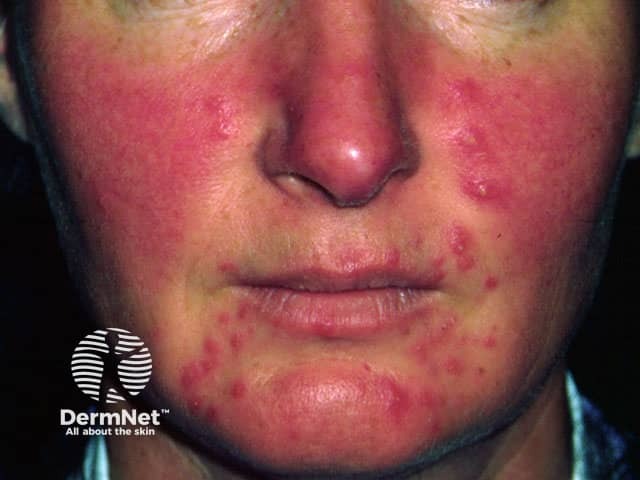
Example clinical image (DermNet NZ)
2. Actinic Keratosis, Basal Cell Carcinoma, and Other Malignant Lesions
These are early or actual skin cancers caused by too much sun exposure. Actinic keratosis feels rough and scaly like sandpaper. Basal cell carcinoma is the most common skin cancer — it often looks like a shiny bump or sore that doesn't heal. Early detection is very important.
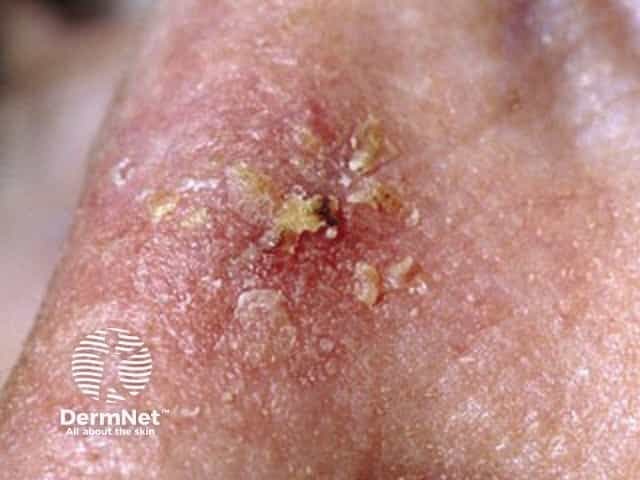
Example clinical image (DermNet NZ)
3. Atopic Dermatitis (Eczema in Children)
A common itchy rash that often starts in childhood. Skin becomes dry, red, and inflamed, especially in skin folds like elbows and knees. It can come and go, triggered by allergies, stress, or irritants.
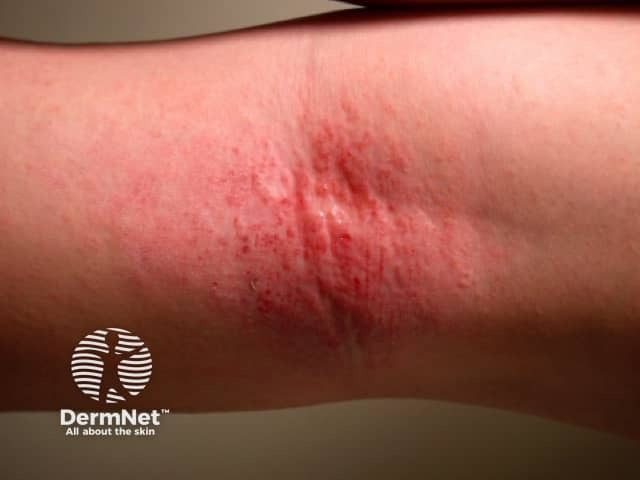
Example clinical image (DermNet NZ)
4. Bullous Diseases (Blistering Conditions)
These cause large, fluid-filled blisters on the skin. Common types include pemphigus and bullous pemphigoid, often seen in older adults. The blisters can be painful and may break open, leading to infection risk.
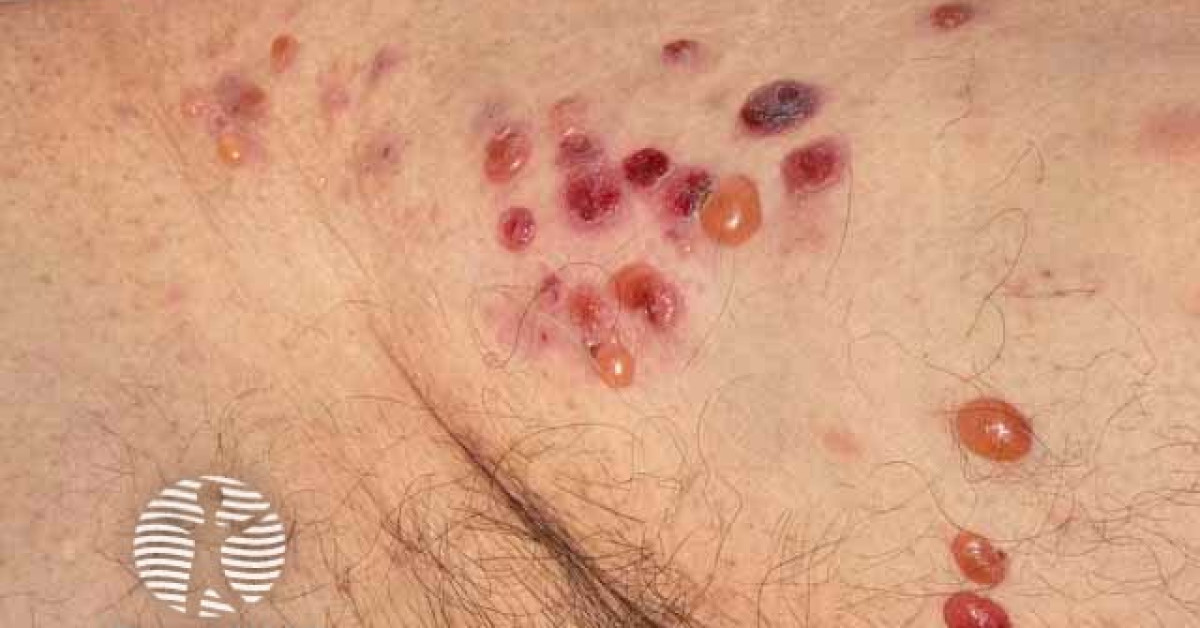
Example clinical image (DermNet NZ)
5. Cellulitis, Impetigo, and Other Bacterial Infections
Bacterial infections of the skin. Impetigo causes honey-colored crusty sores (common in children). Cellulitis is deeper — red, swollen, warm, and painful skin that spreads quickly. Needs antibiotics.
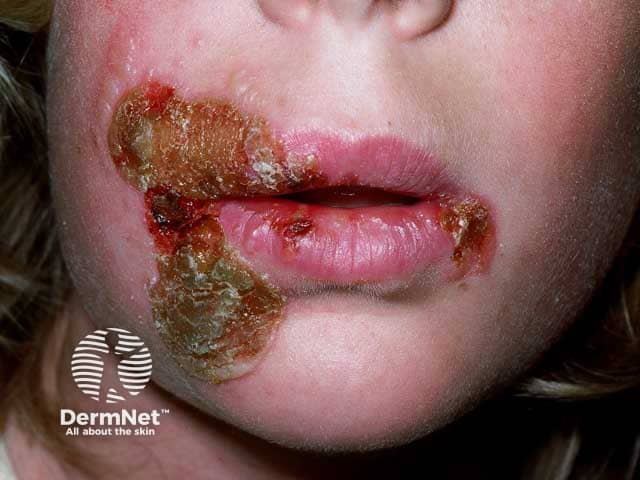
Example clinical image (DermNet NZ)
6. Eczema
Dry, itchy, red patches on the skin. It can appear anywhere but often on hands, neck, and inside elbows/knees. Caused by a combination of genes and environment; moisturizing and avoiding triggers help.
Example clinical image (DermNet NZ)
7. Exanthems and Drug Eruptions
Rashes caused by viral infections or reactions to medicines. They often appear suddenly as widespread red spots or bumps and usually go away on their own once the cause is removed.
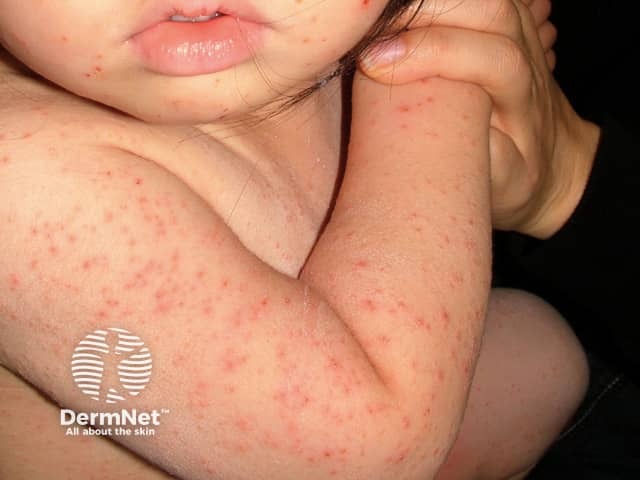
Example clinical image (DermNet NZ)
8. Hair Loss (Alopecia and Other Hair Diseases)
Thinning or complete loss of hair. Common types include androgenetic alopecia (pattern baldness) and alopecia areata (patchy loss). Can be caused by genetics, stress, illness, or autoimmune issues.
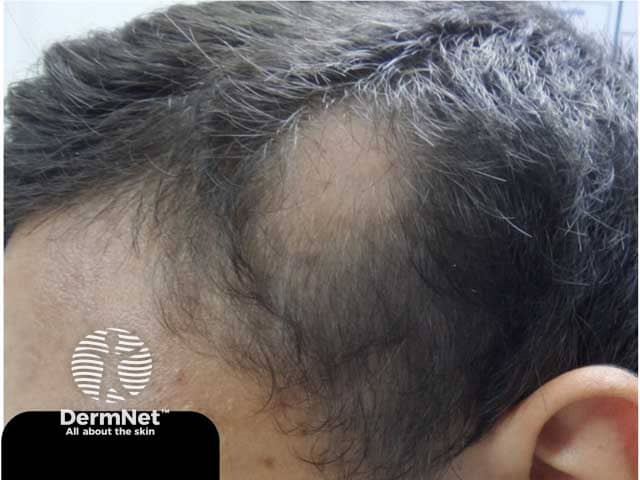
Example clinical image (DermNet NZ)
9. Herpes, HPV, and Other STDs
Skin symptoms from sexually transmitted infections. Herpes causes painful blisters or sores, usually around the mouth or genitals. HPV can cause warts on hands, feet, or genitals.
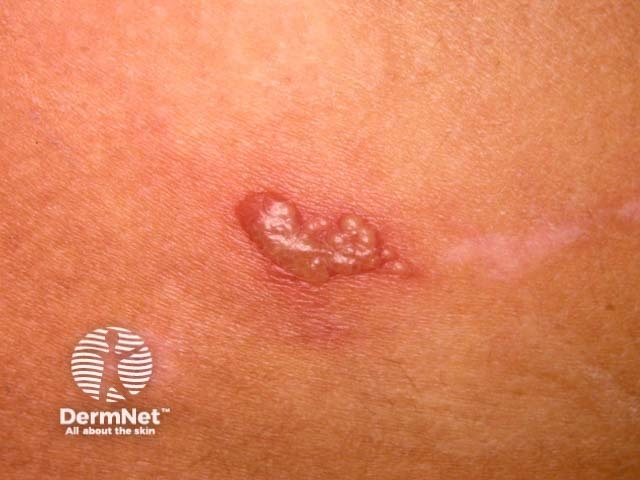
Example clinical image (DermNet NZ)
10. Light Diseases and Disorders of Pigmentation
Conditions affecting skin color. Includes vitiligo (loss of pigment in patches), melasma (dark patches, often on face), or albinism (very light skin and hair). Some are triggered by sun or hormones.
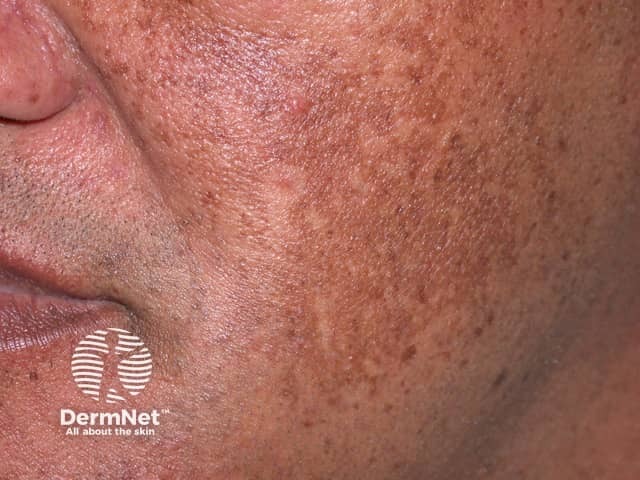
Example clinical image (DermNet NZ)
11. Lupus and Other Connective Tissue Diseases
Autoimmune conditions where the body attacks its own tissues. Lupus often causes a butterfly-shaped rash on the face, joint pain, and fatigue. Skin symptoms can come and go.
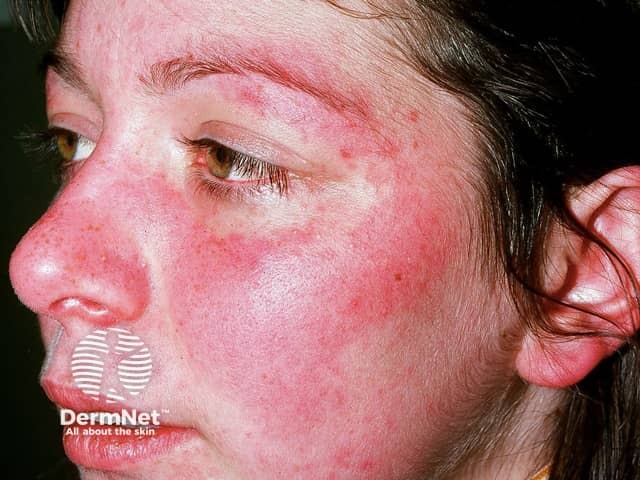
Example clinical image (DermNet NZ)
12. Melanoma, Skin Cancer, Nevi, and Moles
Melanoma is the most dangerous skin cancer — it can look like an irregular, changing mole. Regular moles are usually harmless. Check for asymmetry, irregular borders, varied color, diameter >6mm, or evolving shape.
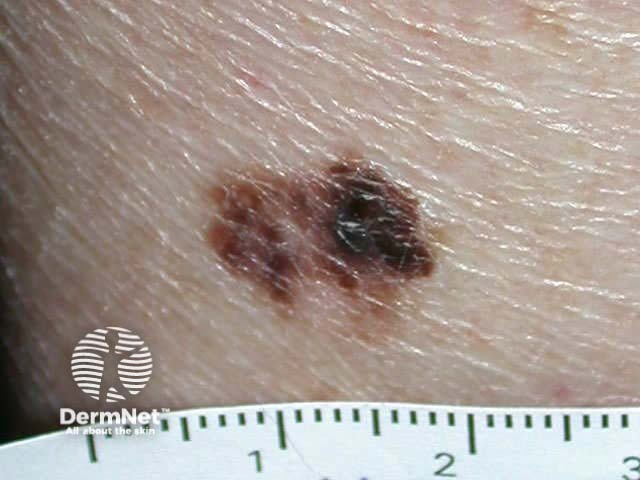
Example clinical image (DermNet NZ)
13. Nail Fungus and Other Nail Diseases
Fungal infections make nails thick, discolored (yellow/brown), brittle, or separated from the nail bed. Common in toenails and can take months to treat.
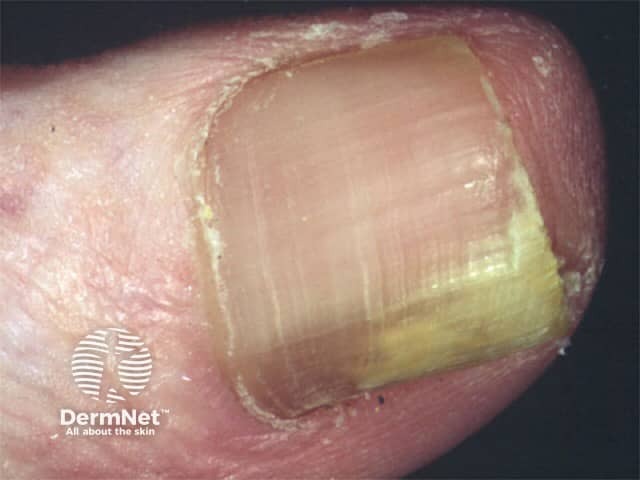
Example clinical image (DermNet NZ)
14. Poison Ivy and Other Contact Dermatitis
Itchy, red rash with blisters caused by touching something you're allergic to (like poison ivy, nickel, or fragrances). It appears where the skin made contact and usually clears in 1-3 weeks.
15. Psoriasis and Lichen Planus
Psoriasis causes thick, scaly, red patches, often on elbows, knees, and scalp. Lichen planus causes itchy, purple, flat-topped bumps. Both are autoimmune and can come and go.
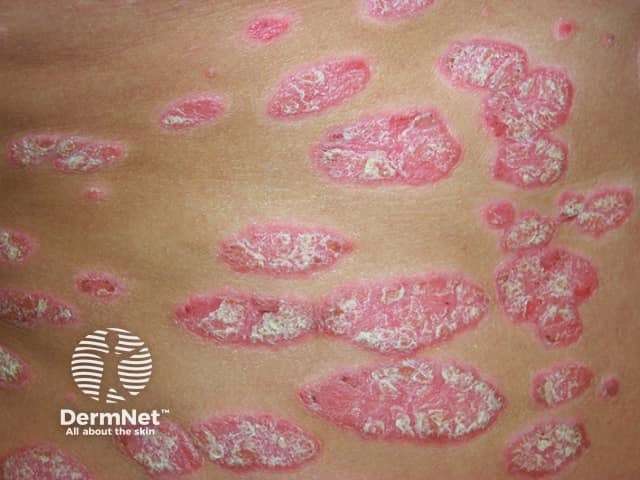
Example clinical image (DermNet NZ)
16. Scabies, Lyme Disease, and Other Infestations/Bites
Scabies is tiny mites burrowing under skin causing intense itching (worse at night). Lyme disease (from tick bites) can cause a bull's-eye rash. Other insect bites cause red, itchy bumps.
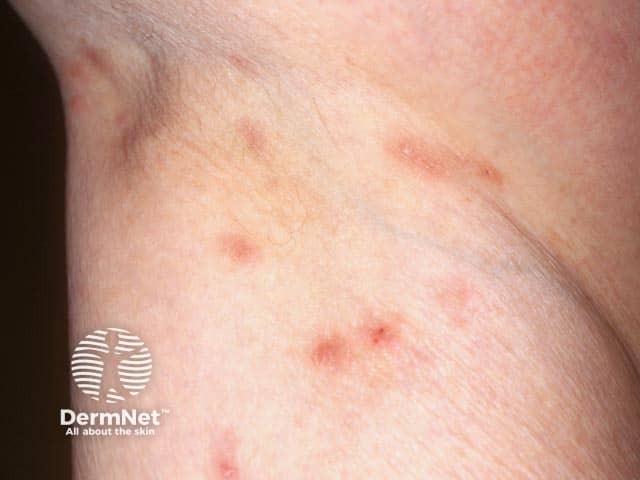
Example clinical image (DermNet NZ)
17. Seborrheic Keratoses and Other Benign Tumors
Harmless growths that look waxy, scaly, or stuck-on (like brown candle wax). Common in older adults and not cancerous, though they can be removed if bothersome.
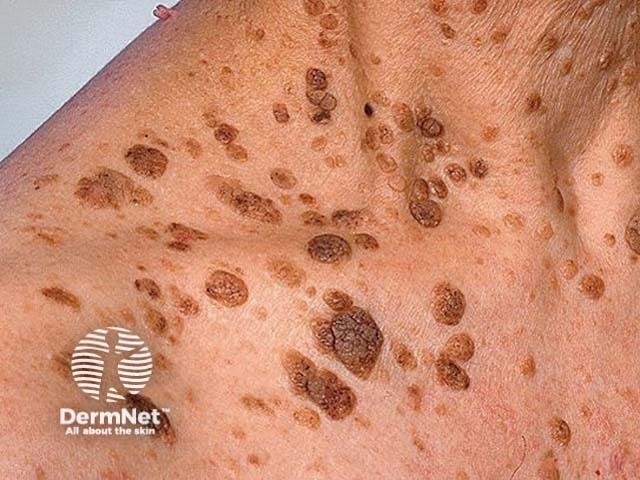
Example clinical image (DermNet NZ)
18. Systemic Diseases (Skin Signs of Internal Illness)
Skin changes that signal problems inside the body, like rashes from lupus, diabetes, liver disease, or thyroid issues. The skin is often a "window" to internal health.
19. Tinea (Ringworm), Candidiasis, and Other Fungal Infections
Ringworm causes circular, red, scaly patches (not a worm!). Candida (yeast) infections cause red, moist rashes in skin folds. Common in warm, moist areas.
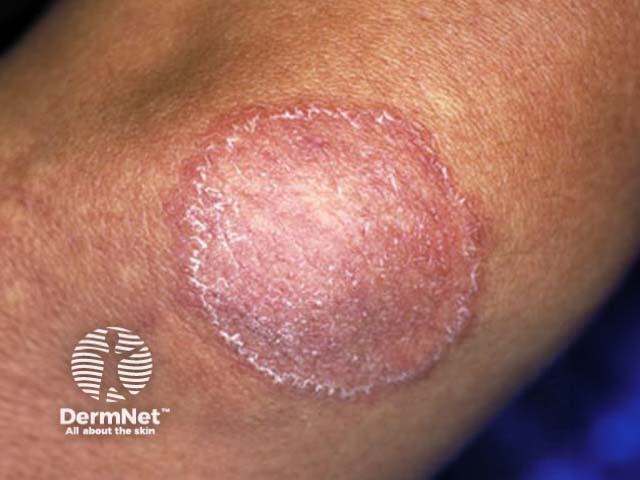
Example clinical image (DermNet NZ)
20. Urticaria (Hives)
Raised, itchy welts that appear suddenly and can move around the body. Often triggered by allergies, stress, or infections. Usually harmless and short-lived.
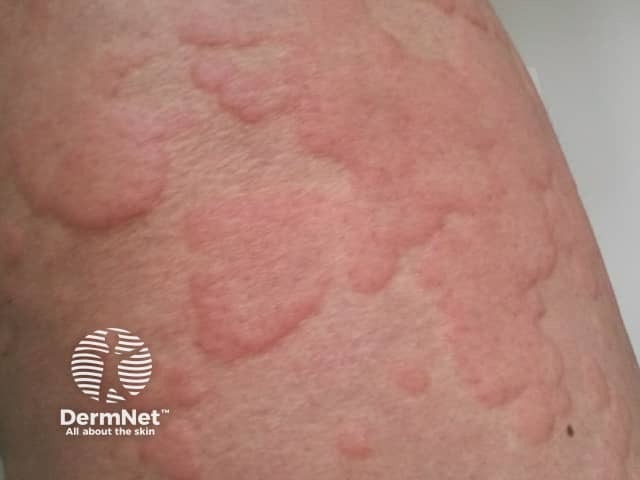
Example clinical image (DermNet NZ)
21. Vascular Tumors
Growths made of blood vessels. Includes hemangiomas (common in babies, often red "strawberry" marks that fade) and other benign or rare malignant vascular growths.
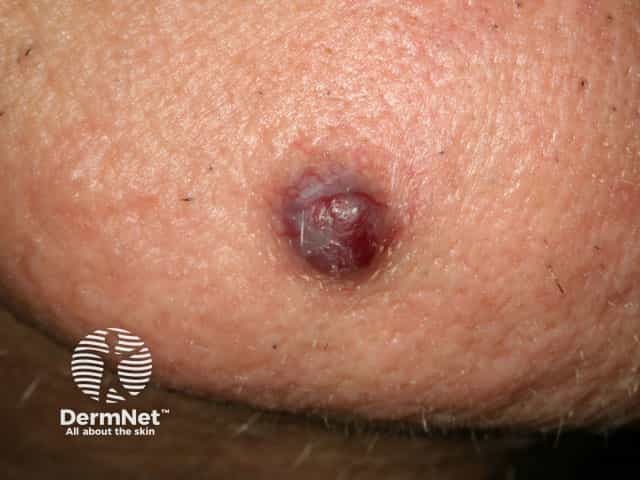
Example clinical image (DermNet NZ)
22. Vasculitis
Inflammation of blood vessels in the skin, causing red or purple spots, bumps, or ulcers. Can be caused by infections, medications, or autoimmune diseases.
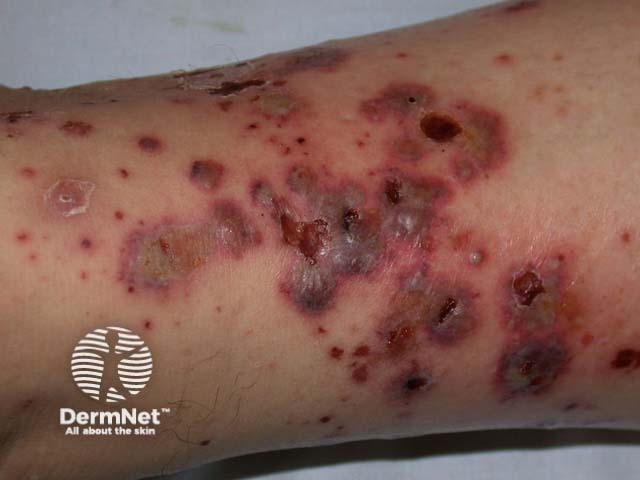
Example clinical image (DermNet NZ)
23. Warts, Molluscum, and Other Viral Infections
Warts are rough bumps caused by HPV virus. Molluscum contagiosum causes small, pearl-like bumps with a central dimple. Both are contagious but usually harmless and go away on their own.
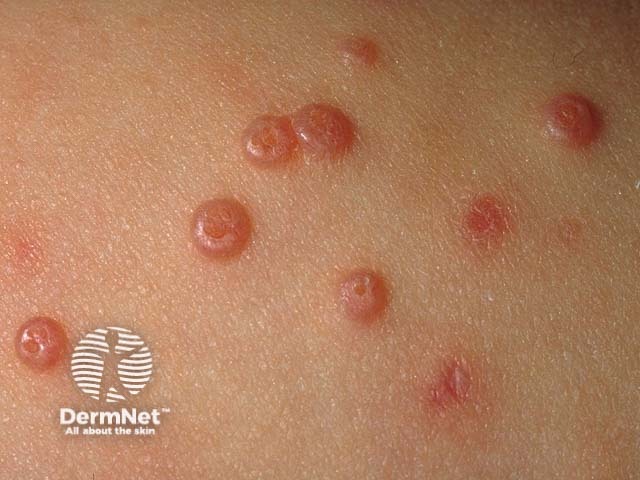
Example clinical image (DermNet NZ)